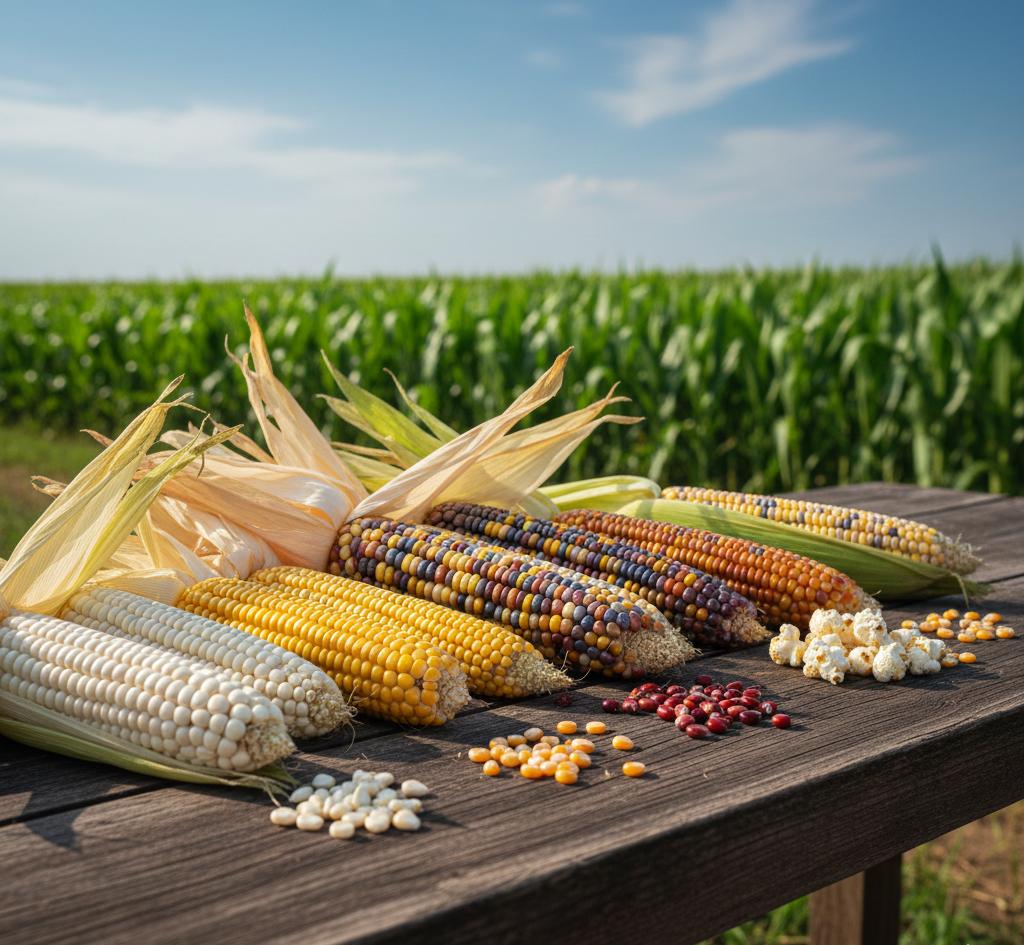
Choosing maize seed is a scientific decision. The goal is to match the genotype to the ecological zone,
rainfall pattern, and intended market use.
Hybrid Seeds (H)
Produced by crossing two inbred parent lines. Hybrids exhibit "heterosis" or hybrid vigor, leading to uniform
plant height, synchronized flowering, strong stems, and high yield potential (7–10 tons/ha).
Seeds from harvested hybrid crops should NOT be replanted because the next generation loses uniformity.
Open Pollinated Varieties (OPV)
OPVs allow seed recycling for 2–3 seasons. They are genetically diverse and more resilient to stress,
but yields are lower (3–5 tons/ha).
Quality Protein Maize (QPM): Enhanced lysine and tryptophan for nutrition.
Stay-Green: Maintains photosynthesis longer, ideal for silage.
2. Comprehensive Soil Physics & Chemistry
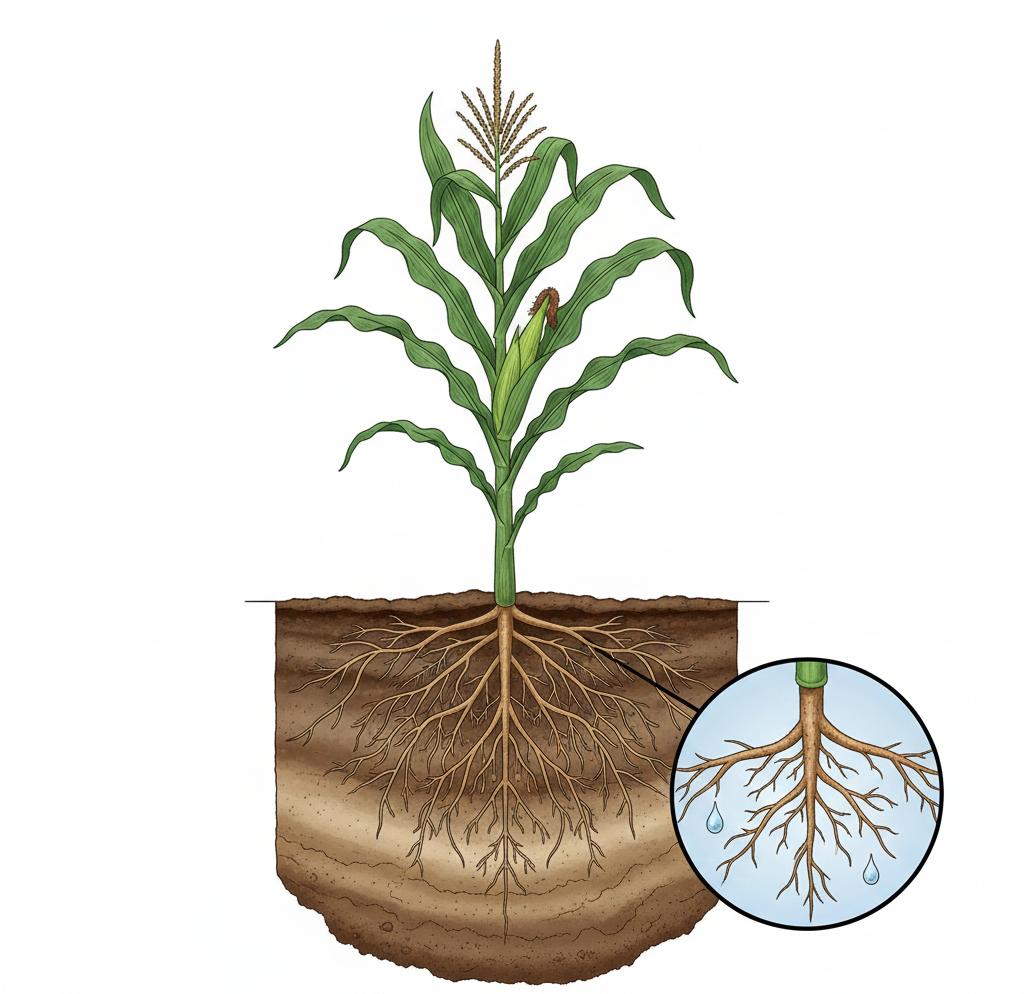
Maize roots can penetrate up to 60 cm if soil compaction is removed.
Root depth directly determines yield potential.
Tillage Systems
Minimum Tillage: Preserves soil moisture and microbial life.
Conventional Tillage: Breaks hardpan for deep root penetration.
Nitrogen Demand Curve
Maize absorbs small nitrogen amounts early (2 weeks),
but during 6–8 weeks ("Grand Growth Phase"), uptake can exceed 4 kg N per hectare per day.
Split application prevents leaching losses.
Micronutrient Deficiencies
Zinc Deficiency: White striping on leaves.
Boron Deficiency: Poor pollination and grain abortion.
3. Seed Preparation & Planting Science
Plant Population Physics
Target: 44,444–55,555 plants per hectare.
Spacing: 75 cm between rows × 25 cm between plants.
Correct population maximizes light interception.
Planting Depth
Sandy soils: 6–7 cm depth.
Clay soils: 3–5 cm depth.
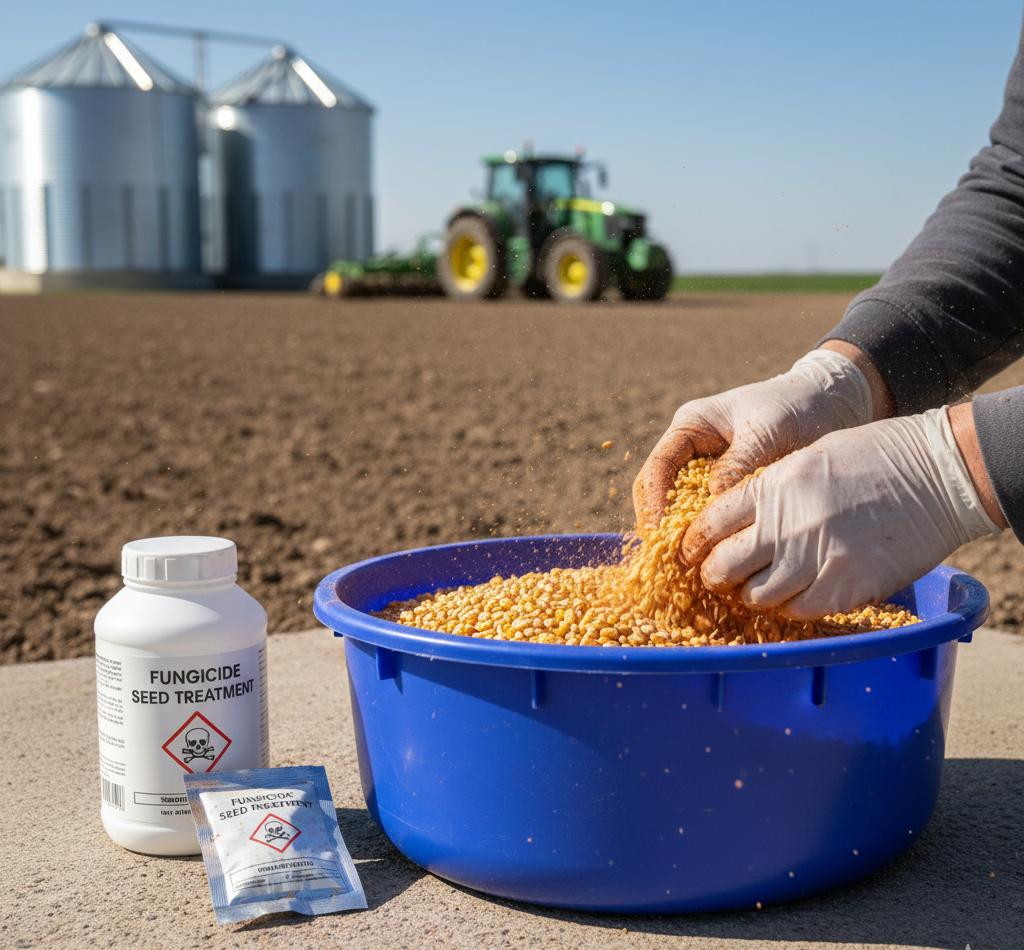
Seed Priming
Priming activates enzymes like amylase, enabling faster starch breakdown and early vigor.
This gives maize a competitive advantage over weeds.
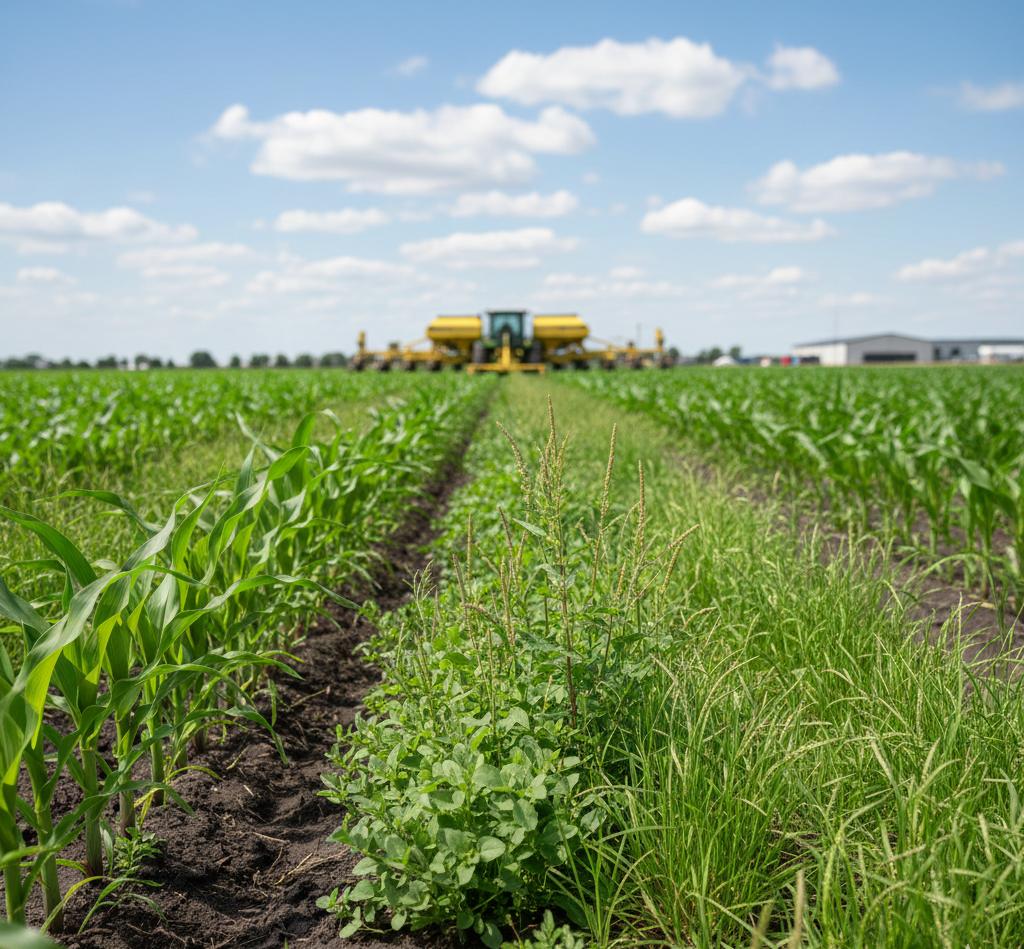
4. Integrated Weed Management (IWM)
The first 45 days are the Critical Weed-Free Period.
Aflatoxin: Caused by Aspergillus fungus; prevented by rapid drying.
6. Harvesting & Physiological Maturity
The Black Layer
When a black layer forms at the kernel base,
nutrient transfer stops and grain reaches maximum dry weight.
Moisture Stages
35% – Physiological maturity
18–25% – Mechanical harvest stage
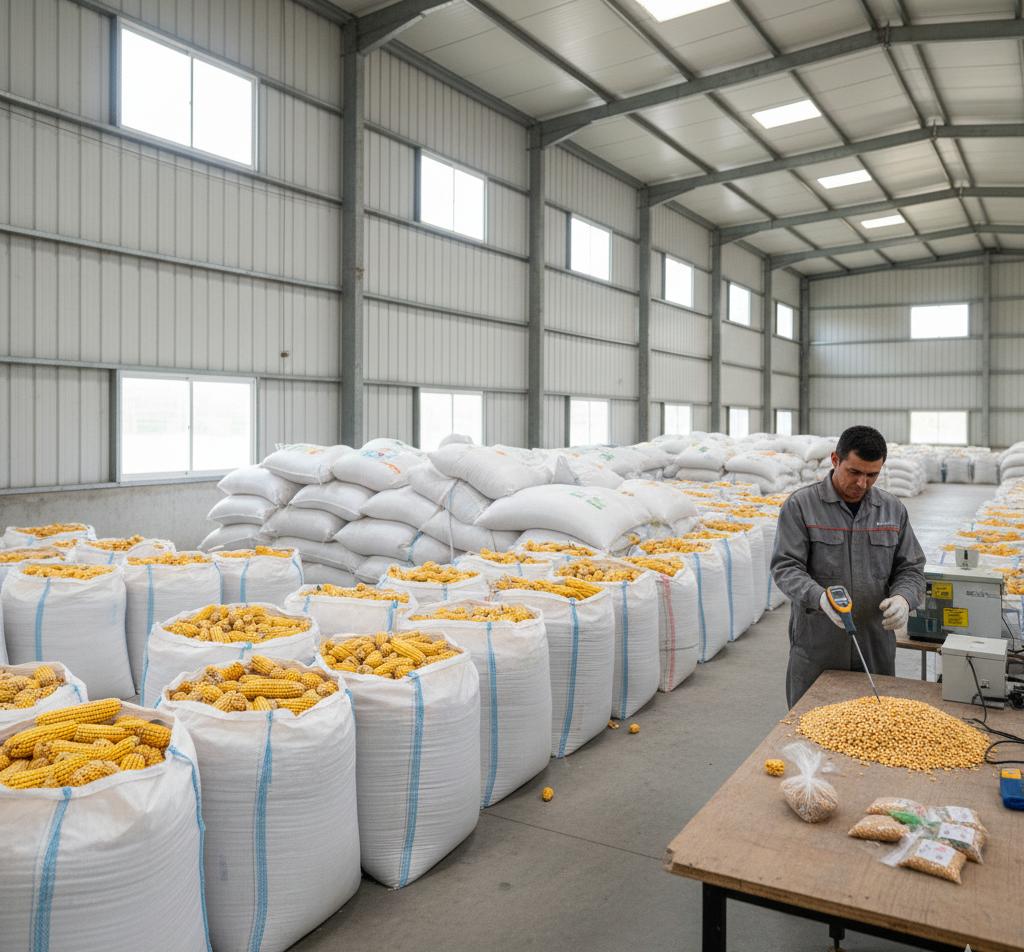
13.5% – Safe storage moisture
Manual Harvesting
Cobs are handpicked and sun-dried. Advantage: selective harvesting.
Disadvantage: high labor cost.
Mechanical Harvesting
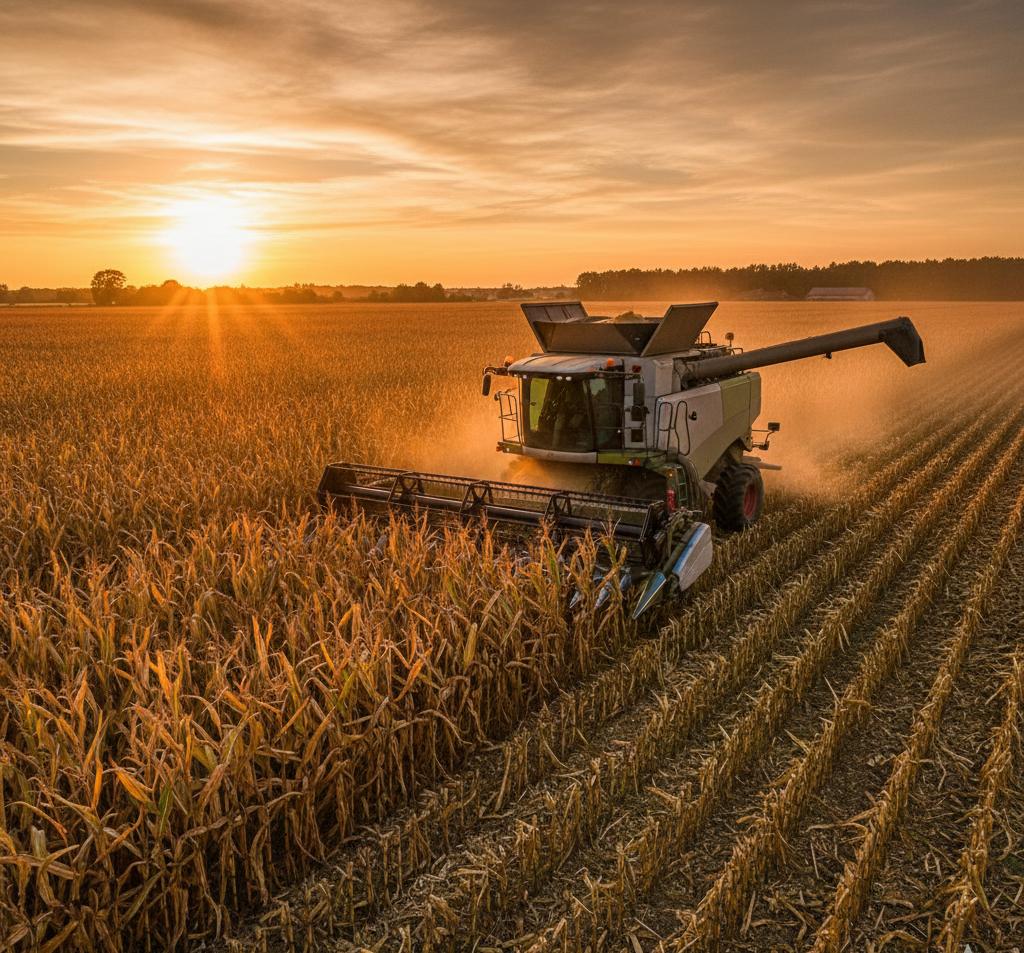
Combine harvesters cut, thresh, clean and collect grain in one pass.
Requires uniform field leveling and straight rows.
Improper moisture causes grain cracking.