Introduction to Lettuce Cultivation
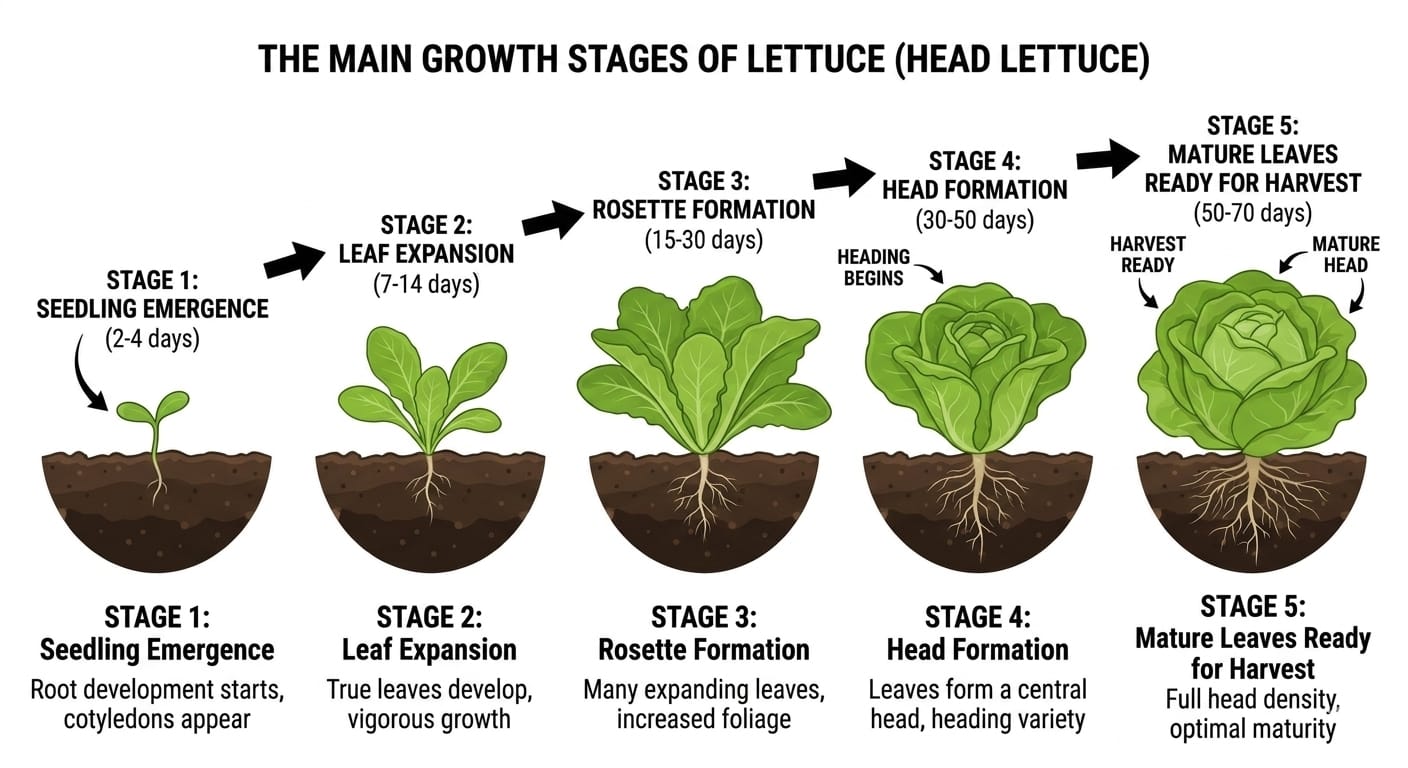
Lettuce is a leafy vegetable widely consumed in salads and sandwiches. It’s rich in vitamins A, K, C, folate, and minerals like potassium and iron. Lettuce grows quickly, making it ideal for commercial vegetable farming worldwide.
Varieties include leaf, romaine, butterhead, and crisphead. Choosing the right variety for your climate improves yield, leaf quality, and market value.
1. Site Selection and Climate
Lettuce grows best in well-drained fertile soils (pH 6–7). Sandy loam or loamy soils are ideal. Improve heavy clay soils with organic matter to prevent waterlogging.
Optimal temperature: 15–20°C. Temperatures above 24°C can trigger bolting, causing leaves to become bitter and unmarketable.
2. Land Preparation
Prepare a fine seedbed, remove debris, and incorporate well-decomposed compost. Raised beds improve drainage and reduce disease risk.
3. Seed Selection and Sowing
Use certified seeds suitable for your local conditions. Sow directly or transplant seedlings with 20–30 cm spacing between plants and 25–35 cm between rows.
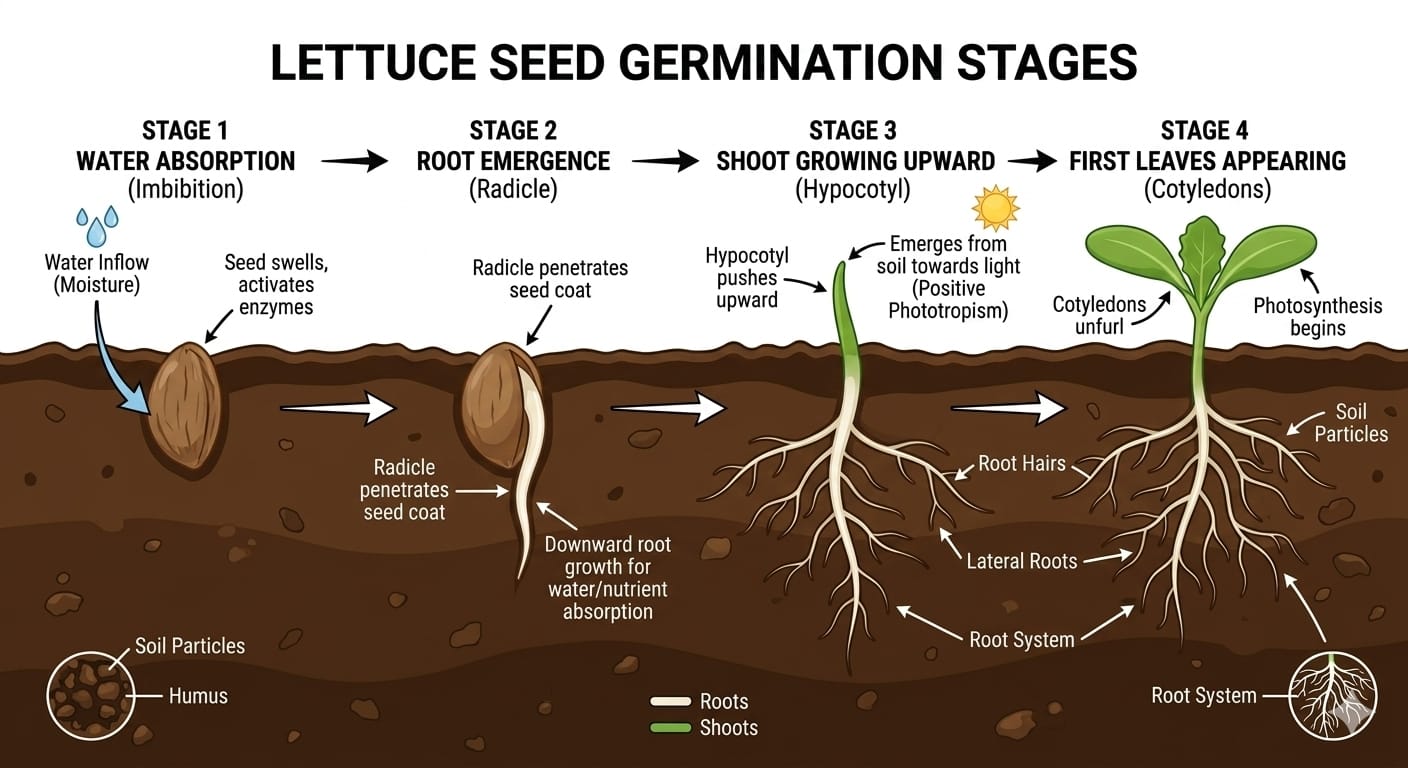
Pre-germination in trays improves seedling survival and uniformity.
Recommended Lettuce Varieties
| Variety Type | Best Climate | Top Characteristic |
|---|---|---|
| Iceberg (Crisphead) | Cool | Firm, crunchy, long shelf life |
| Romaine | Versatile | Upright growth, heat tolerant |
| Butterhead | Moderate | Soft, velvety texture |
| Loose Leaf | Warm to Cool | Fastest to harvest, easy for home gardens |
4. Irrigation and Water Management
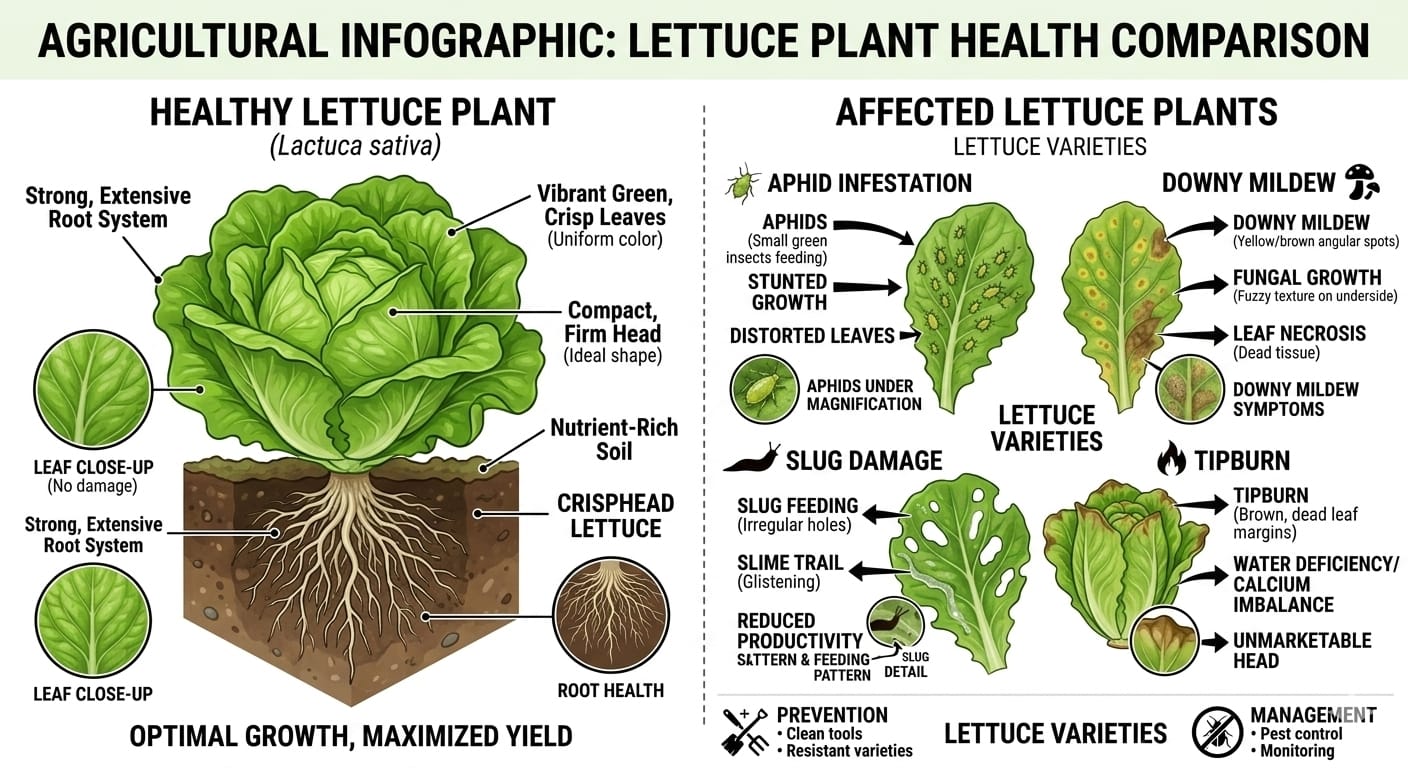
Lettuce has shallow roots and requires frequent, uniform watering. Inconsistent irrigation can cause tip burn—brown leaf edges due to calcium deficiency under rapid growth or high transpiration.
Tip Burn Management
- Maintain consistent soil moisture.
- Apply foliar calcium sprays during high-growth periods.
- Use mulching to reduce moisture fluctuations.
Drip or sprinkler irrigation reduces leaf wetness and foliar diseases.
5. Fertilization and Nutrient Management
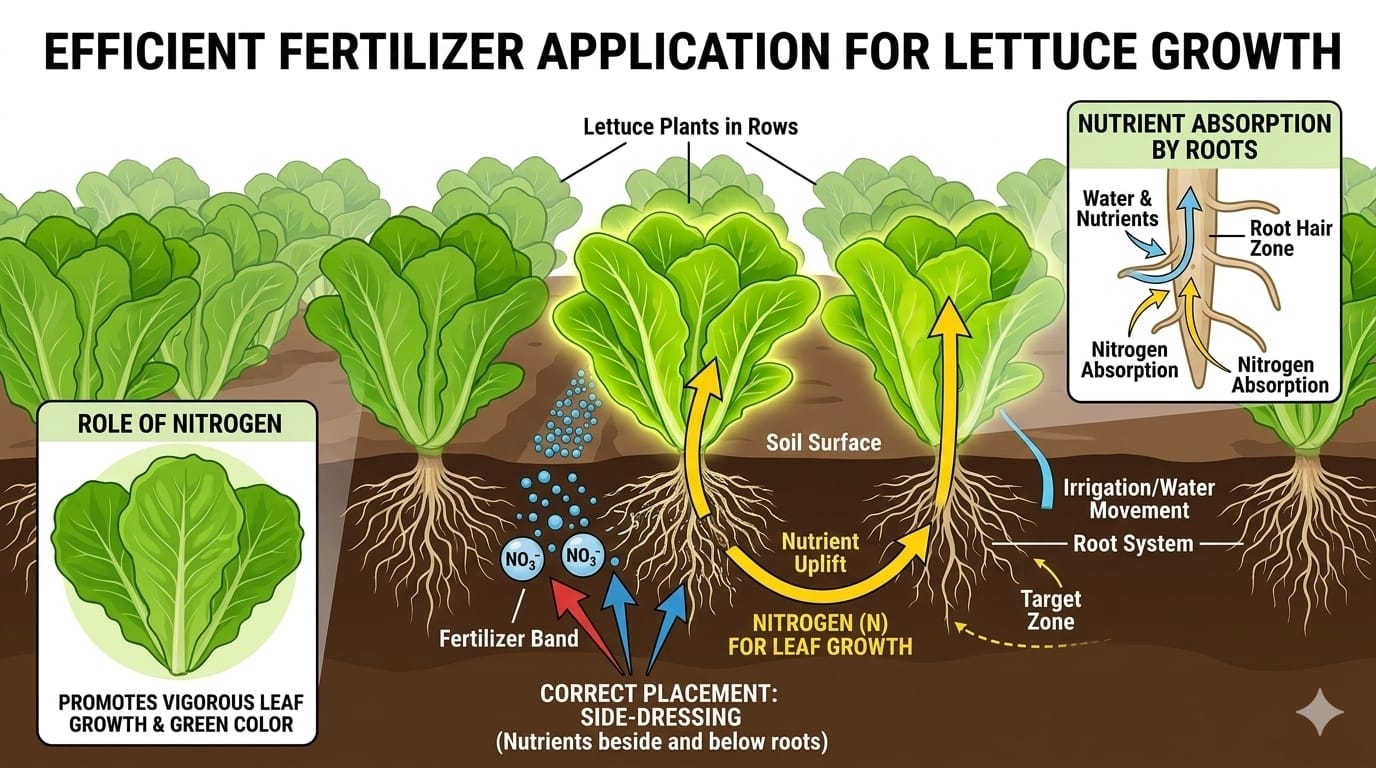
Balanced fertilization is critical. Nitrogen promotes leaves, phosphorus supports roots, potassium enhances stress resistance. Micronutrients (B, Mn, Fe) prevent disorders and maintain vibrant leaves.
Split nitrogen applications sustain growth without promoting excessive vegetative growth that delays harvest.
6. Pest and Disease Management
Aphids
Use IPM, remove infested leaves, or apply insecticidal soap.
Leaf Miners & Caterpillars
Hand-pick or apply targeted biological insecticides.
Slugs & Snails
Maintain dry soil surfaces and use barriers.
Fungal Diseases
Downy mildew and powdery mildew: ensure proper spacing, avoid overhead irrigation, and use resistant varieties.
7. Harvesting
Harvest leaf types by cutting outer leaves; head types: harvest whole. Morning harvest minimizes field heat.
Field Heat Management
If morning harvest isn’t possible, perform hydro-cooling: dip lettuce heads in cold water to preserve crispness before packing.
8. Post-Harvest Handling and Storage
Wash gently, pack in ventilated containers, and store at 0–4°C with 90–95% humidity. Processing into salads or minimally processed products adds value and reduces waste.
9. Uses of Lettuce
- Fresh consumption: salads, sandwiches, wraps, garnishes.
- Processing: pre-packaged salads, mixed greens, ready-to-eat meals.
- Medicinal: vitamins, antioxidants, hydration benefits.
- Commercial sale: supermarkets, restaurants, fresh markets.
Lettuce Images